Educational trip to the University of South-Eastern Norway, Notodden (Kingdom of Norway)

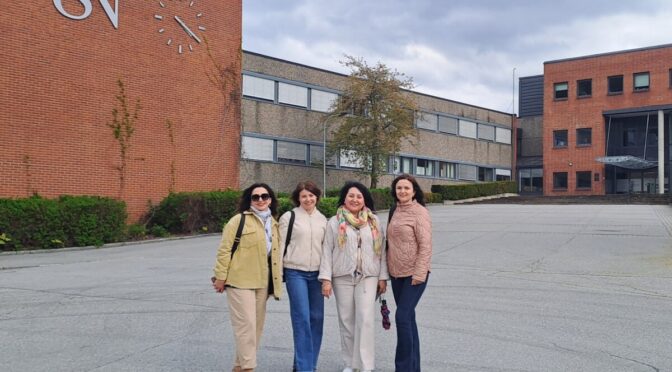
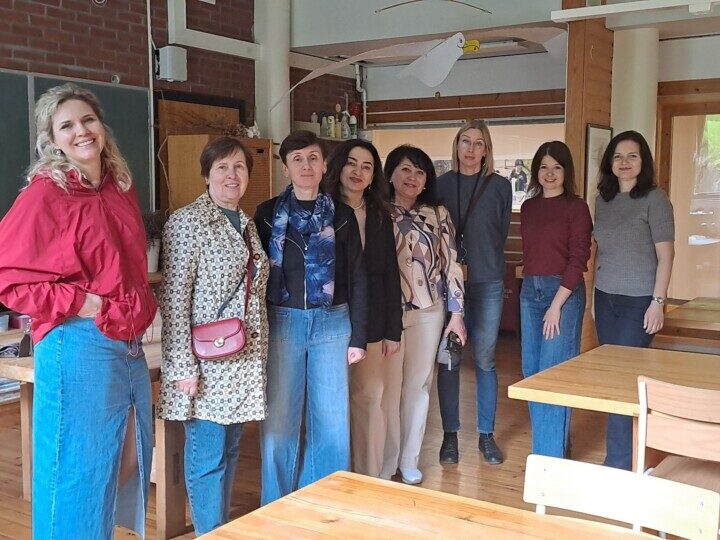
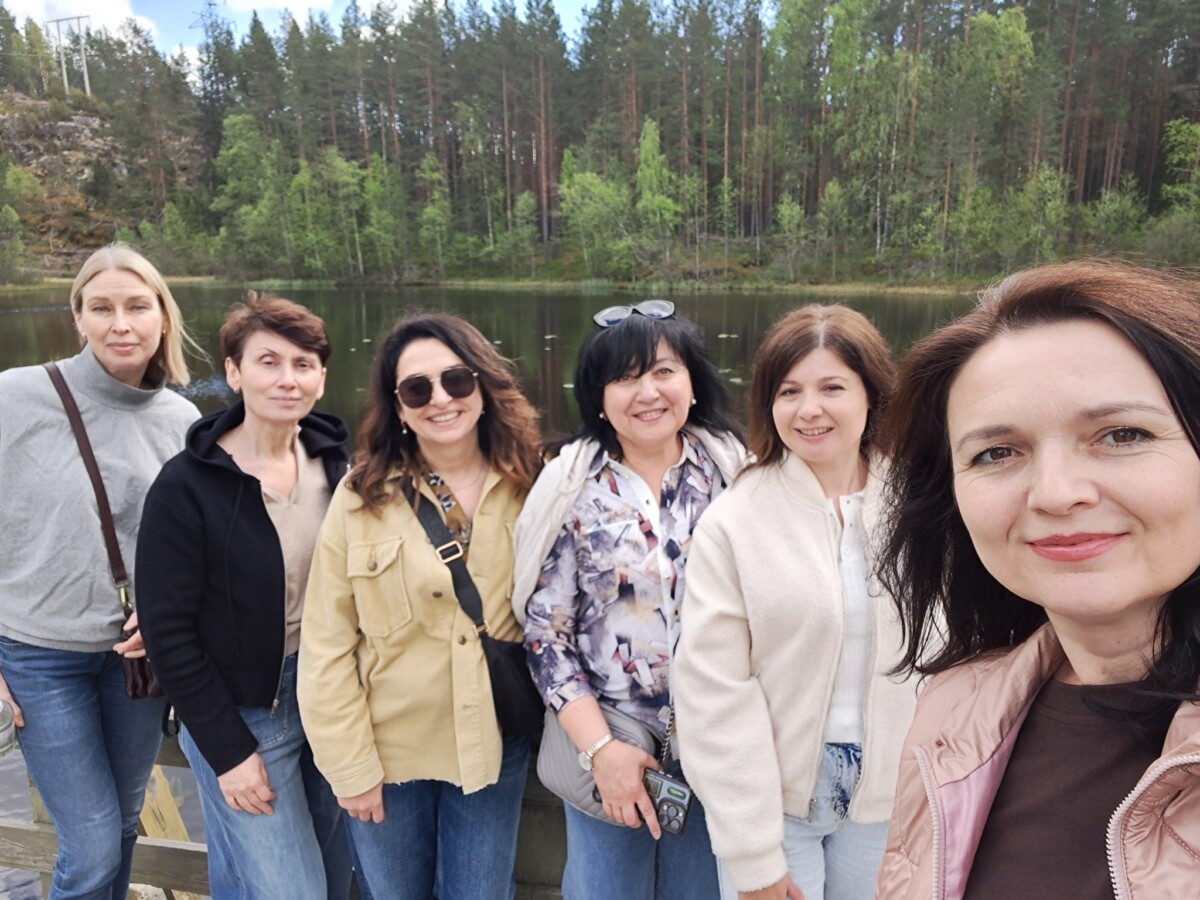
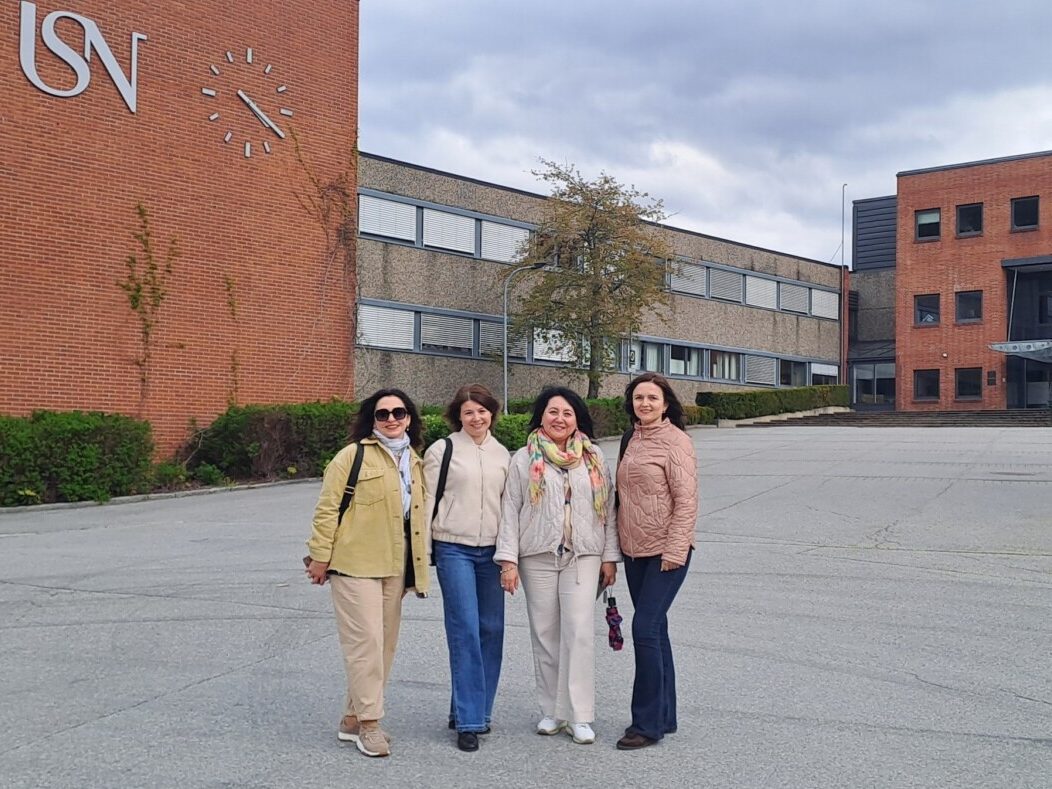
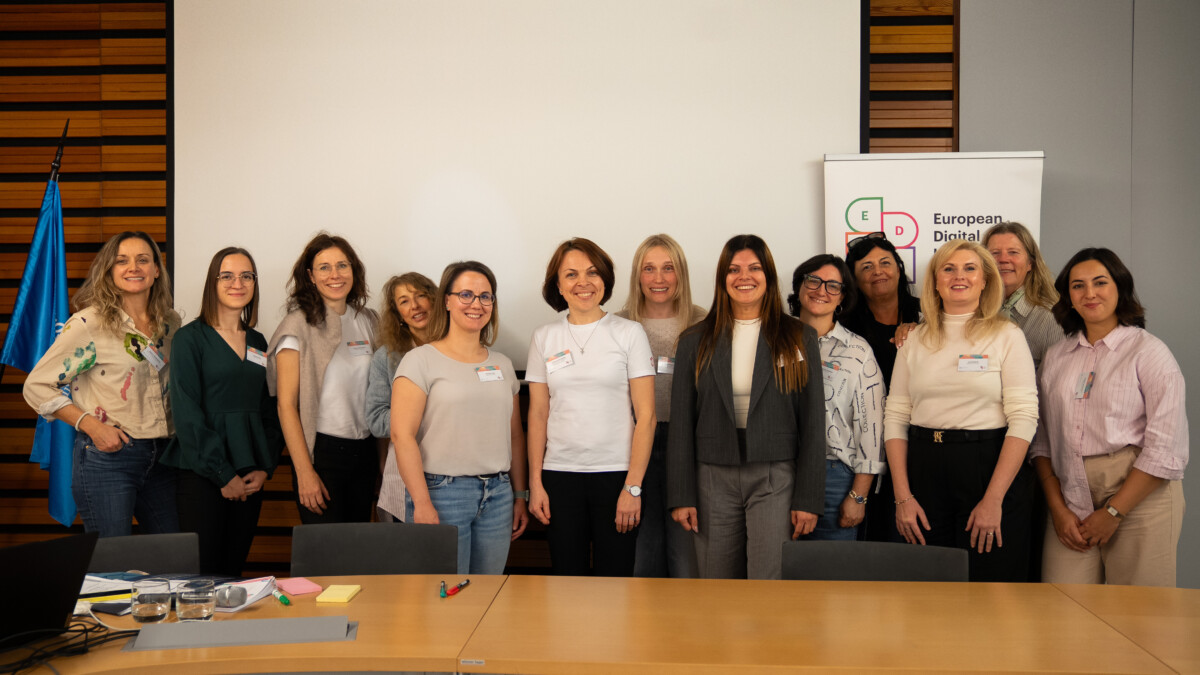
From May 17 to 21, 2026, faculty members from the Faculty of Education at Vasyl Stefanyk Carpathian National University (Prof. Olena Budnyk, Assoc. Prof. Marianna Matishak, Prof. Lyudmyla Matsuk, Assoc. Prof. Iryna SKOMOROVSKA) made an educational visit to the University of South-Eastern Norway (Notodden, Kingdom of Norway) as part of the project “Rebuilding futures: Empowering educators and students through cross-border collaboration and invention pedagogy (REFINE)” (“Rebuilding the future: Empowering Educators and Students through Cross-Border Collaboration and Invention Pedagogy”) as part of EDUC-WIDE SEED PROJECTS – 2024.
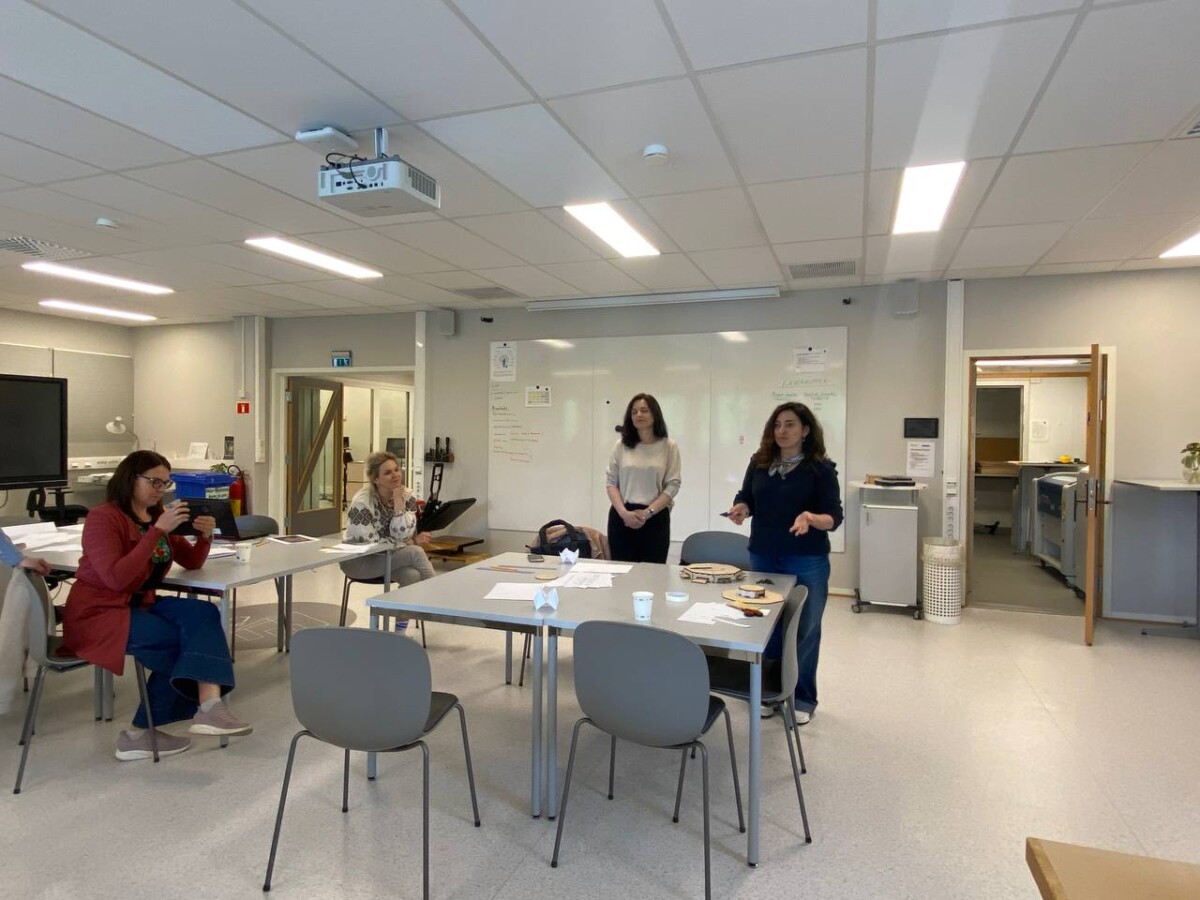
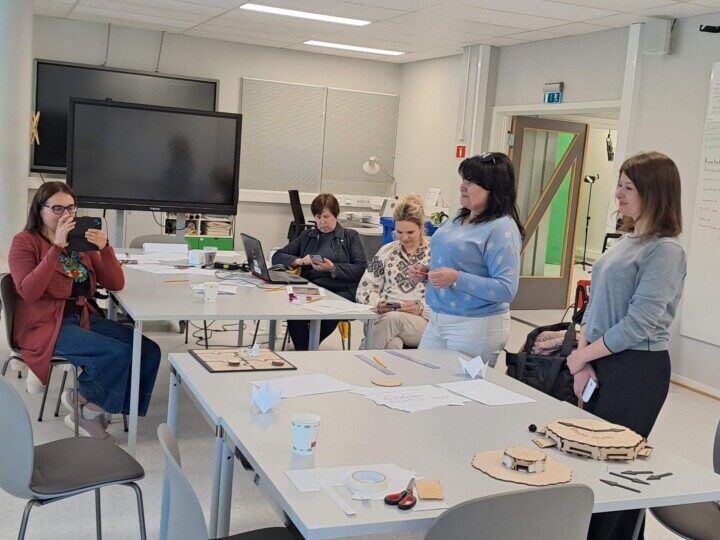
The visit’s program included training sessions to improve skills in making and invention, as well as an exchange of experiences. Colleagues from the University of South-Eastern Norway, Camilla Groth and Larysa Dahl Kolesnyk, emphasized the values of sustainable development in invention, explored the methodological aspects of implementing invention and making, and discussed their impact on the development of resilience and agency among participants in the educational process.

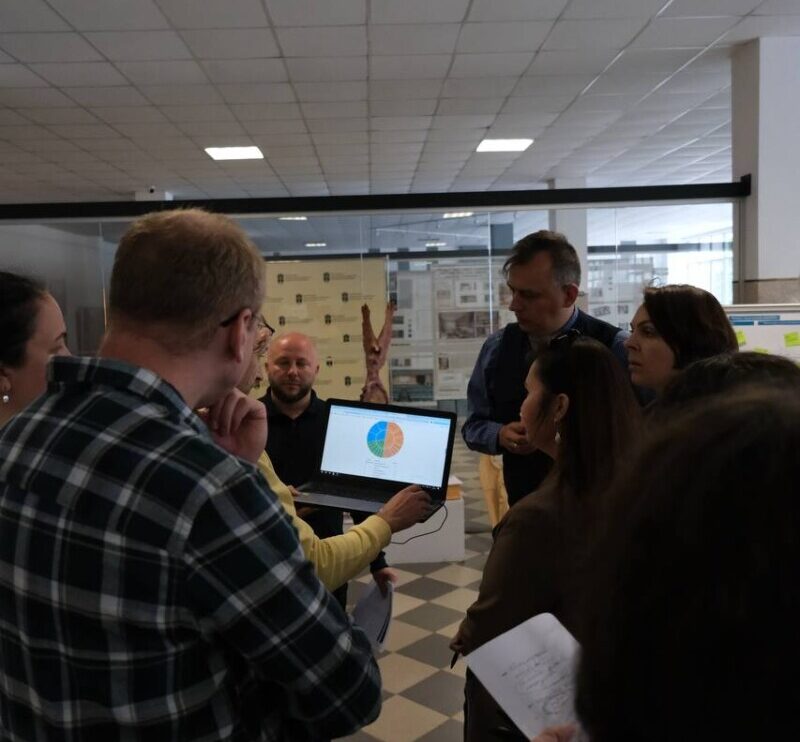
Through their practical work, faculty members at Vasyl Stefanyk Carpathian National University developed their own ideas for improving the educational process, created and presented maker projects, including the original educational games “Quest Maker” and “Landscape of Emotions,” designed to foster inventive thinking among pupils, students, and faculty.
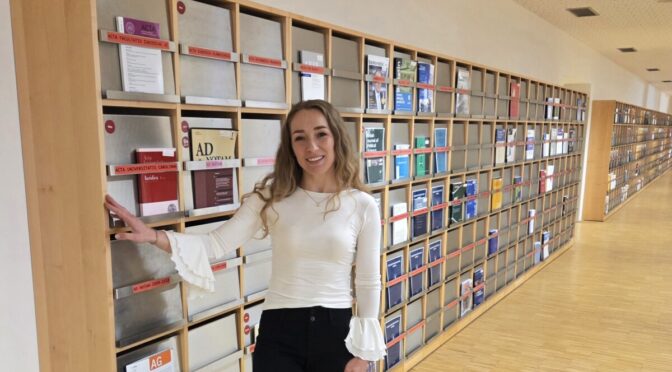
🇳🇴🇺🇦 To conclude the visit, on May 20, a cultural and educational event titled “The Pedagogy of Invention, Intercultural Learning, and the Voices of Ukraine” was organized at the Notodden Library (Notodden bibliotek) to present the interim results of the REFINE project and the podcast “Voices of Resilience and Recovery.” During the event, lecturers from the Department of Theory and Methods of Preschool and Special Education, Assoc. Prof. Iryna SKOMOROVSKA and Assoc. Prof. Marianna MATISHAK, presented the activities conducted at Ukrainian higher education institutions within the REFINE project, the results of a survey of training participants, and reflections on continuing cooperation.

Colleagues from Ukraine joined the events: Prof. Svitlana STRILETS (T.G. Shevchenko National University “Chernihiv Collegium”), Assoc. Prof. Oksana ZINKO (IPKP “Perspektyva”), faculty members and researchers from the University of South-Eastern Norway, as well as representatives of the Notodden community.
The trip proved to be a valuable experience for the university’s faculty, expanding their network of professional contacts for future academic mobility and the creation of innovative educational content, and opening new opportunities for professional development and international cooperation. This will contribute to the further implementation of European educational practices in the activities of Vasyl Stefanyk Carpathian National University


A faculty member from the Department of Biochemistry and Biotechnology completed an internship at a leading Italian laboratory through the EDUC R&I Fellowship program

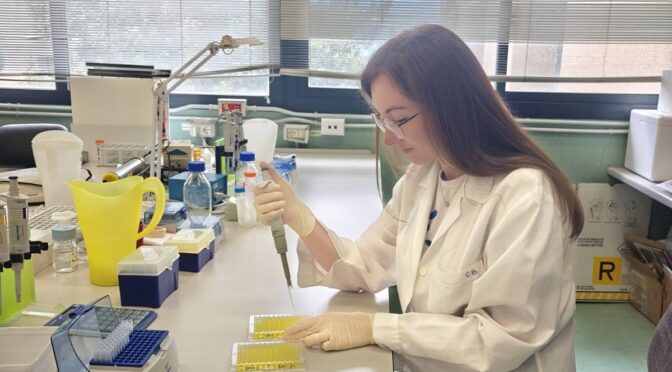
Olga Strilbytska, a research associate in the Department of Biochemistry and Biotechnology, spent six weeks at a research laboratory at the University of Cagliari—one of Italy’s oldest universities. The University of Cagliari, located in the heart of Sardinia, is one of the leading research centers in Southern Italy and an active participant in the EDUC Alliance. The internship took place with the support of the EDUC R&I Fellowship program, funded by the European Union under Horizon Europe.

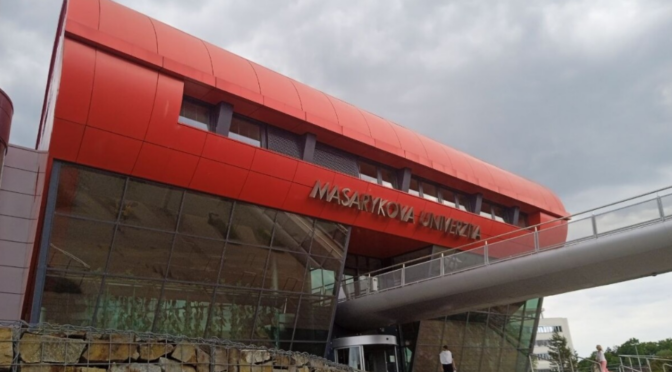
The EDUC R&I Fellowship is a program of short- and medium-term research mobility for researchers at all career stages, bringing together nine partner universities from seven European countries, including the University of Cagliari (Italy), the University of Potsdam (Germany), Masaryk University (Czech Republic), the University of Pécs (Hungary), and Vasyl Stefanyk Carpathian National University (Ukraine). The program aims to acquire new competencies, build international research partnerships, and generate innovative research ideas.

The host was the research group led by Professor Christina Kokko, which specializes in the biochemistry of neuropeptides and molecular markers of neurodegenerative and autoimmune diseases. The laboratory employs methods such as enzyme-linked immunosorbent assay (ELISA), immunofluorescence, Western blot, and gel chromatography on animal models and human samples.

The topic of the fellowship project is “Advanced Methodological Approaches for Investigating Biomarkers of Disease Pathogenesis.” It is precisely these advanced methodological approaches to studying biomarkers in the context of disease pathogenesis that represent the intersection of interests between both research teams. During the internship, particular attention was paid to the potential applications of modern methodological approaches for studying post-traumatic stress disorder (PTSD) and the associated neurobiological changes.

This fellowship is a prime example of how membership in the EDUC Alliance provides researchers at our university with real access to leading European laboratories and fosters the development of long-term international partnerships.

Based on the results of the internship, the parties outlined areas for further collaboration. They discussed the preparation of joint publications, the possibility of submitting joint grant applications, and ideas for future research. The experience gained and methodological approaches are planned to be integrated into their own research projects.


Lesia Danyliuk’s Participation in the R&I Fellowship Programme

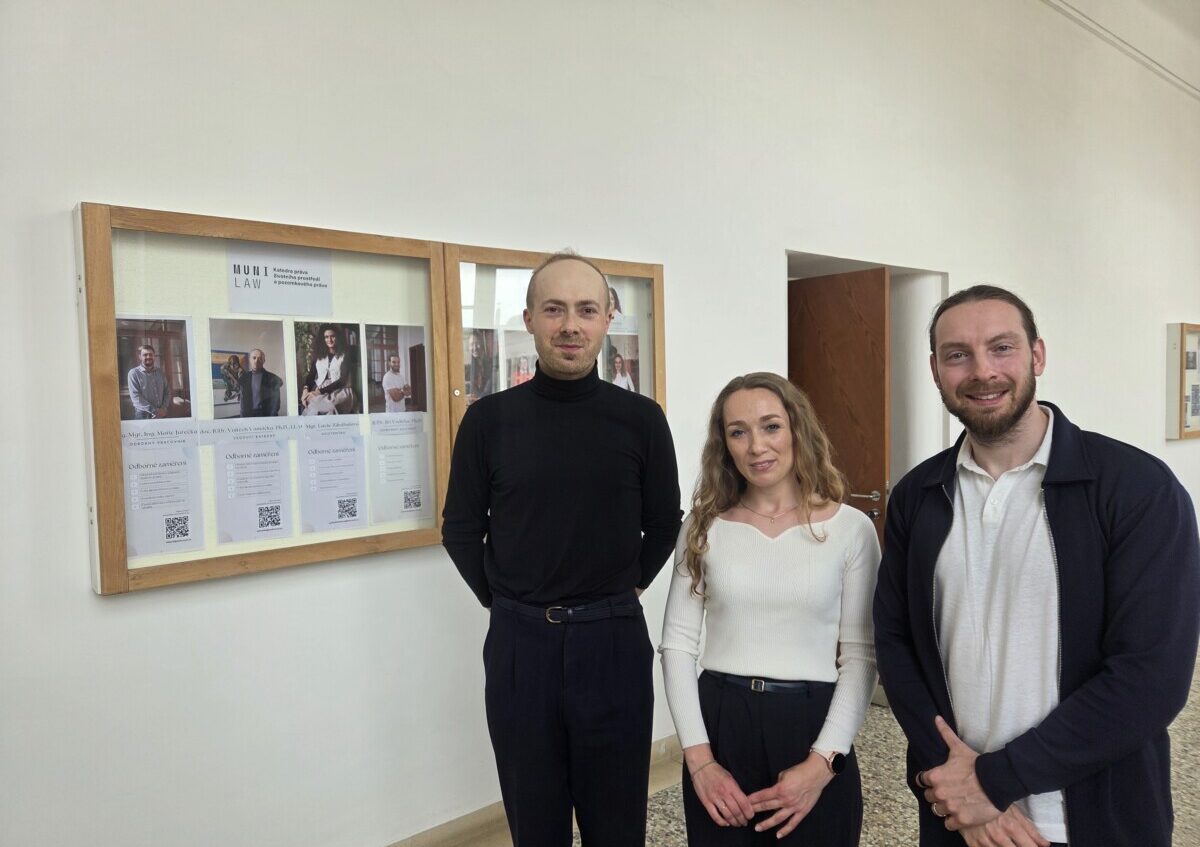
From April 19 to May 16, Lesya Danylyuk, Candidate of Legal Sciences, Associate Professor, and Head of the Department of Labor, Environmental, and Agricultural Law, participated in the R&I Fellowship program as part of the EDUC-WIDE project.

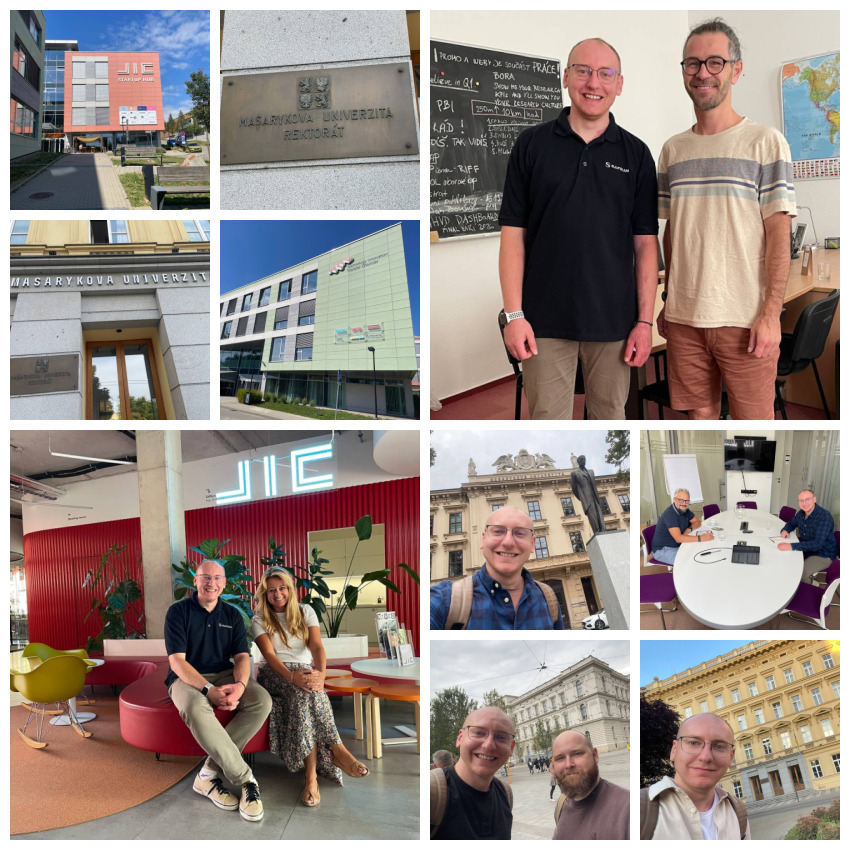
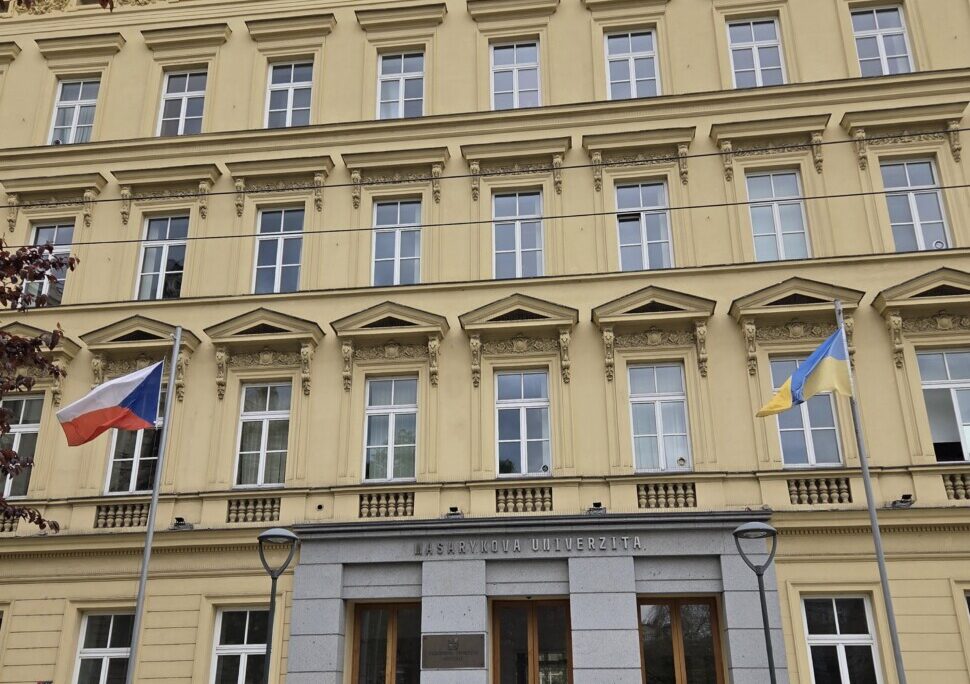
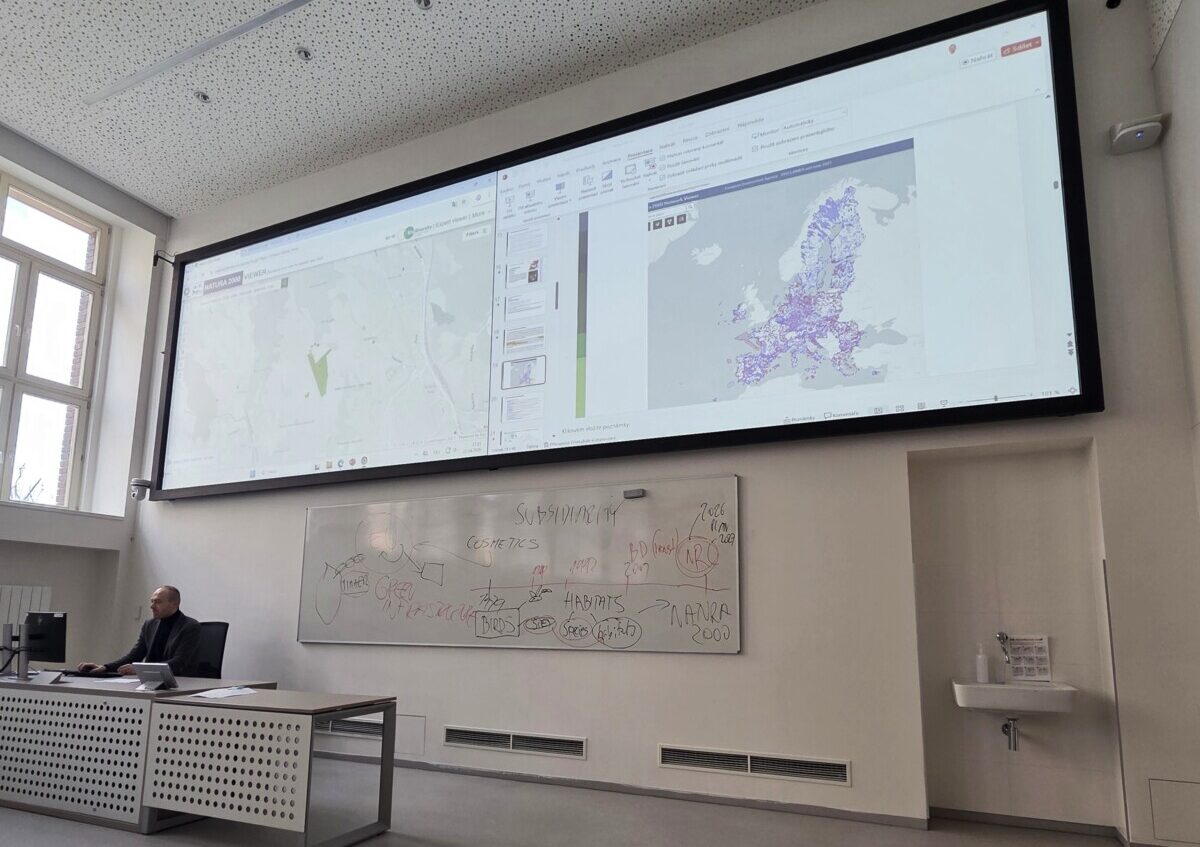
The international internship took place at the Department of Environmental and Land Law at Masaryk University (Czech Republic) under the supervision of the department head, Doctor of Law Vojtěch Vomáčka.

The main goal of the research mobility is to develop academic partnerships between universities participating in the EDUC Alliance.

Lesia Danyliuk’s work program was dedicated to the topic “The Environmental-Legal Vector of Sustainable Development (EU Experience and Prospects for Implementation in the Context of Ukraine’s Post-War and European Integration Environmental Policy).”

During the project, participants were able to launch a new direction for scientific research, exchange experience in teaching academic disciplines that are similarly implemented at the Educational and Scientific Law Institute, and discuss prospects for further cooperation.

Upon completion of the internship, the parties expressed their mutual desire to establish and expand research, educational, and grant initiatives.

An International Scientific Event “Rethinking Research Evaluation: Well-being, AI & Fairness” Took Place at Vasyl Stefanyk Carpathian National University

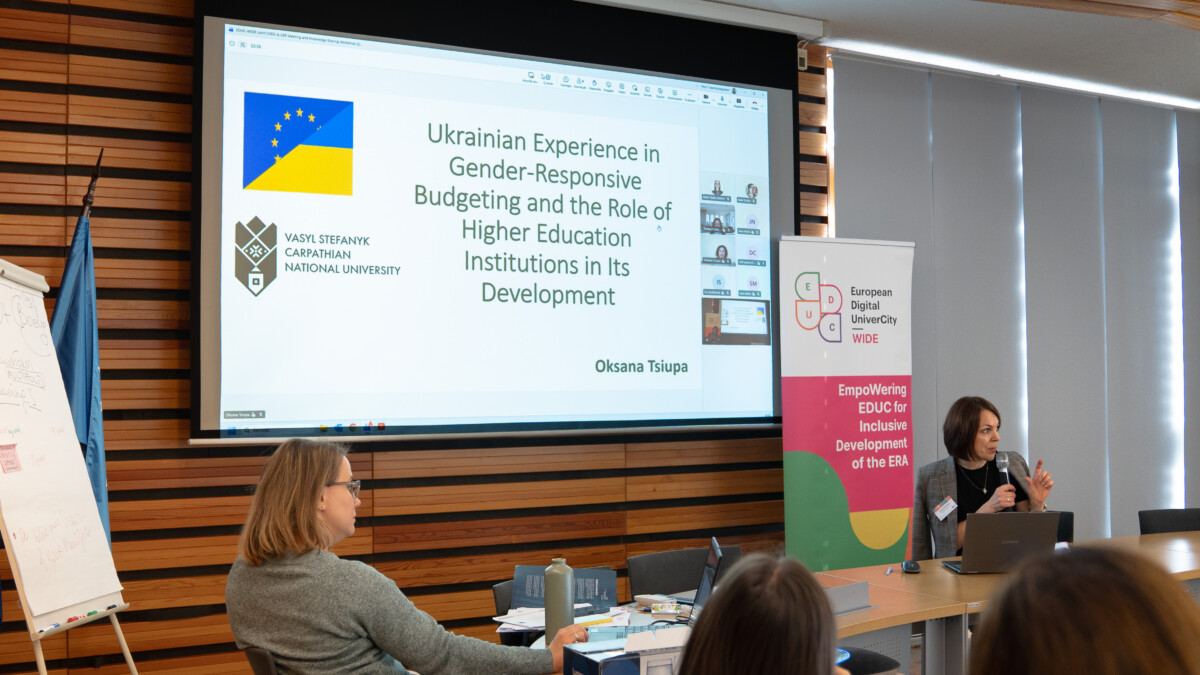
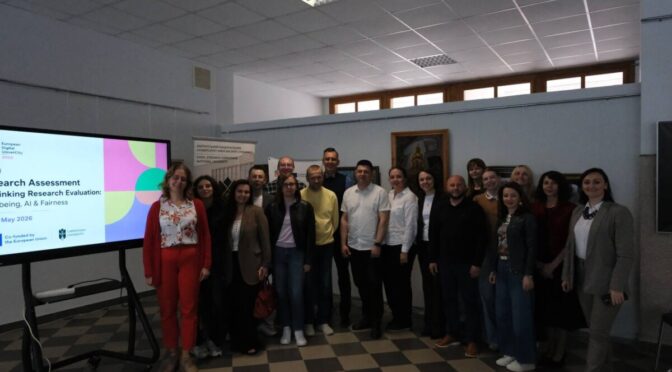
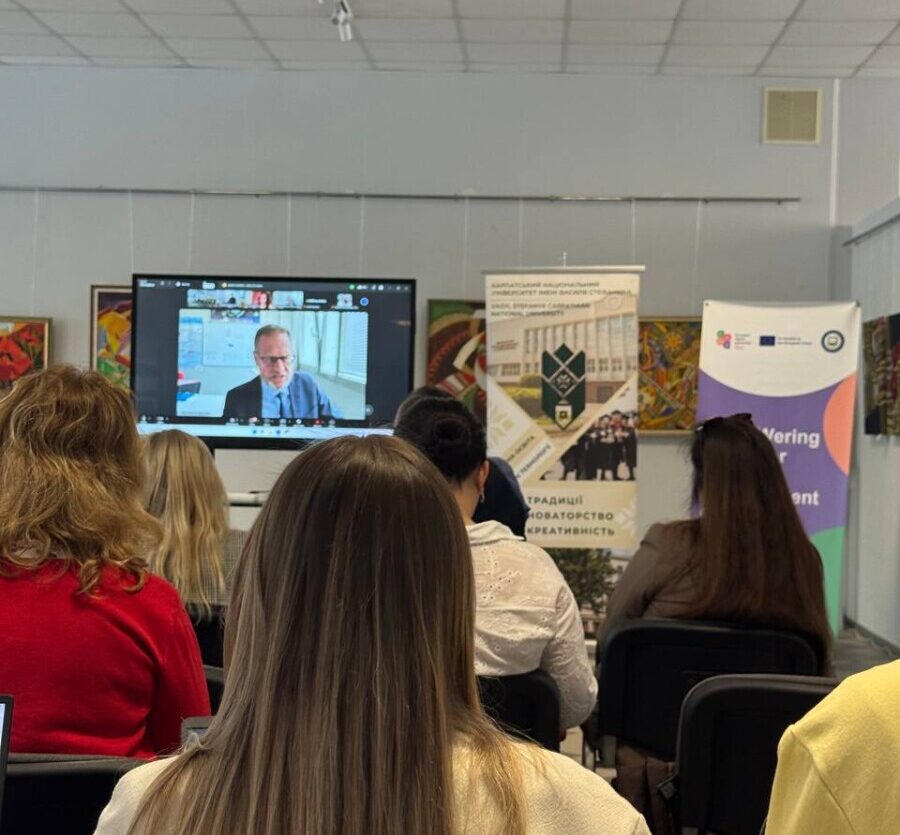
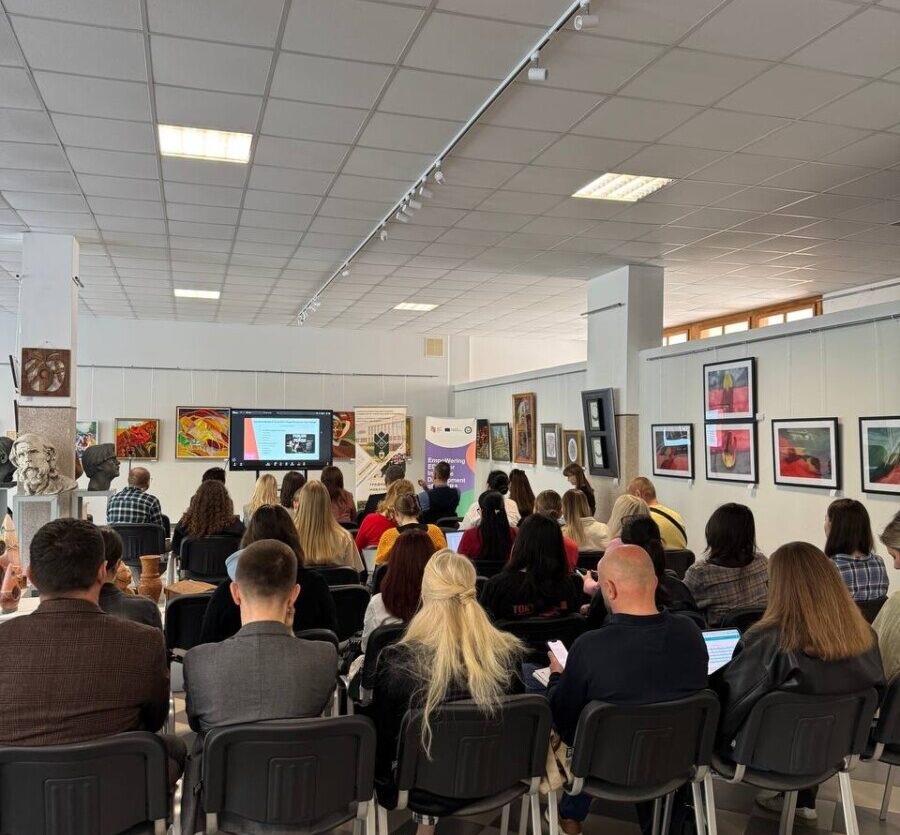
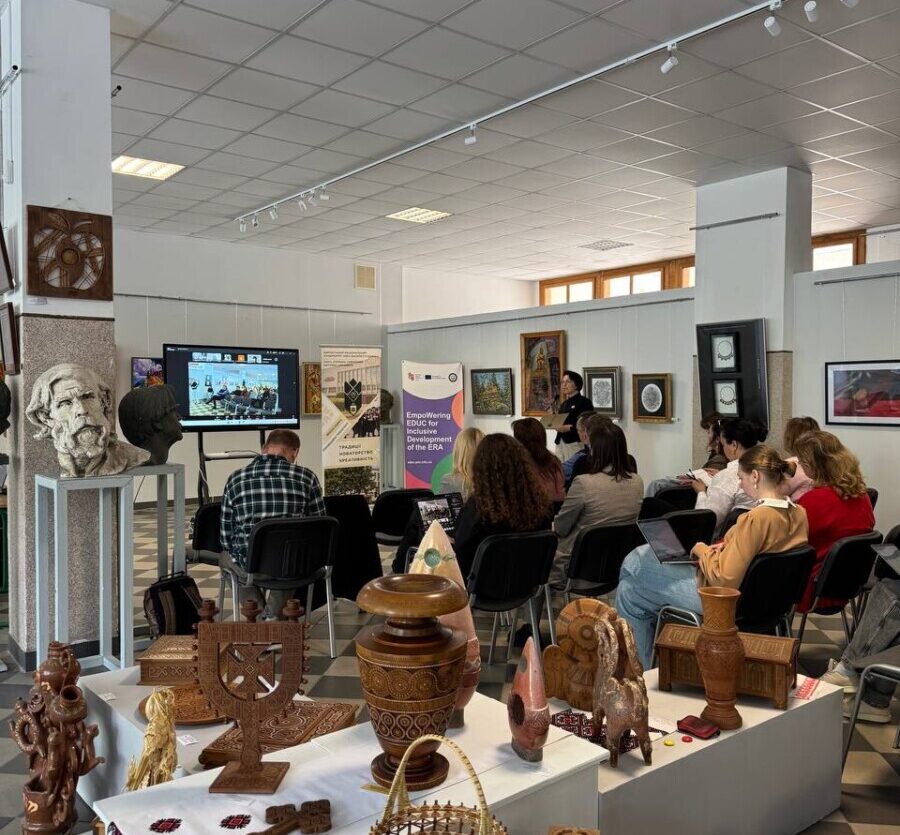
On May 15, 2026, Carpathian National University hosted the international scientific event “Rethinking Research Evaluation: Well-being, AI & Fairness” within the framework of the EDUC-WIDE project (EmpoWering EDUC for Inclusive Development of the ERA).

The event focused on the future of research assessment systems, researcher well-being, and the responsible use of artificial intelligence in academia.

The event brought together researchers, academic staff, early-career scientists, PhD candidates, and members of the academic community to discuss what a modern, fair, and human-centered research evaluation system should look like.

🔹 Ester Cois, Professor at the University of Cagliari, delivered the lecture “Researcher Well-being and Fair Evaluation”, focusing on how evaluation systems influence researchers’ professional well-being, as well as on issues of inclusiveness, collective success, and rethinking academic excellence.
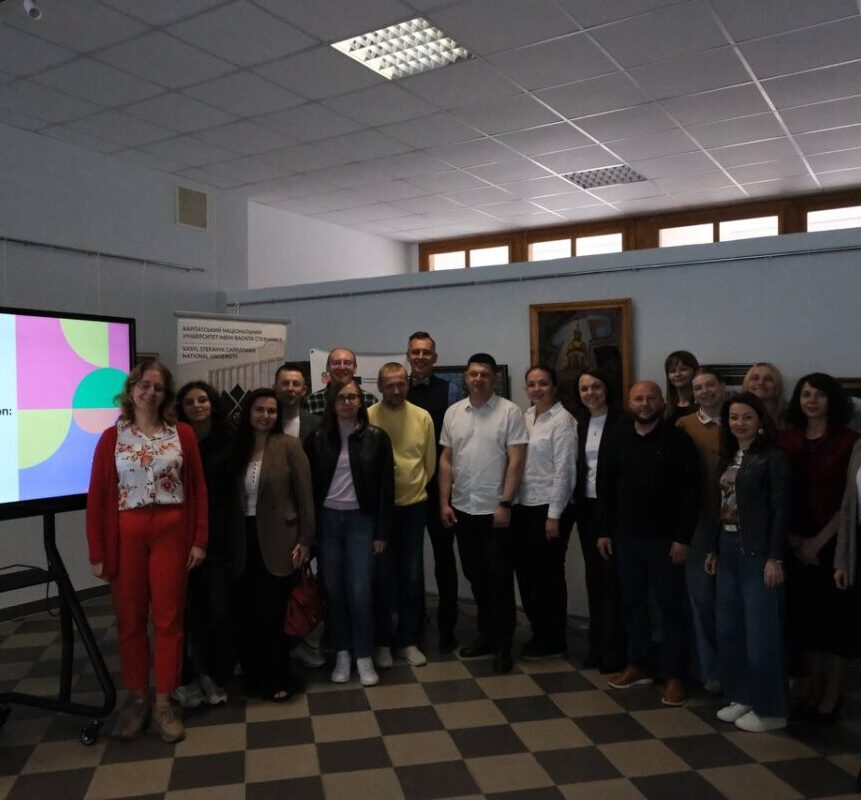
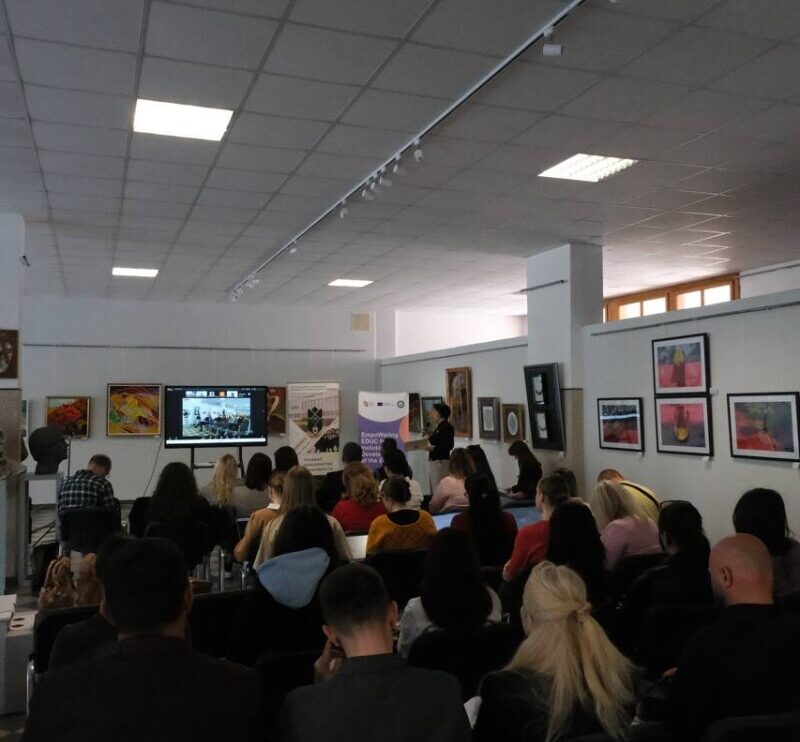
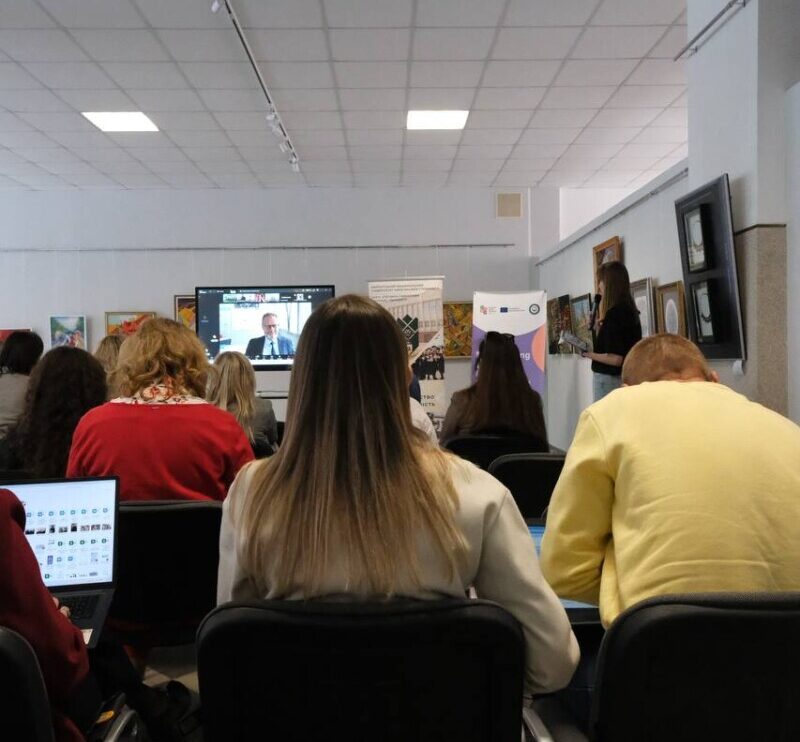
🔹 Luciano Colombo, Vice-Rector for Research at the University of Cagliari, presented “AI and the Future of Responsible Research Evaluation”, sharing his vision of the role of artificial intelligence in the future of research assessment and emphasizing that AI should serve as a tool to support expert judgment rather than replace it.

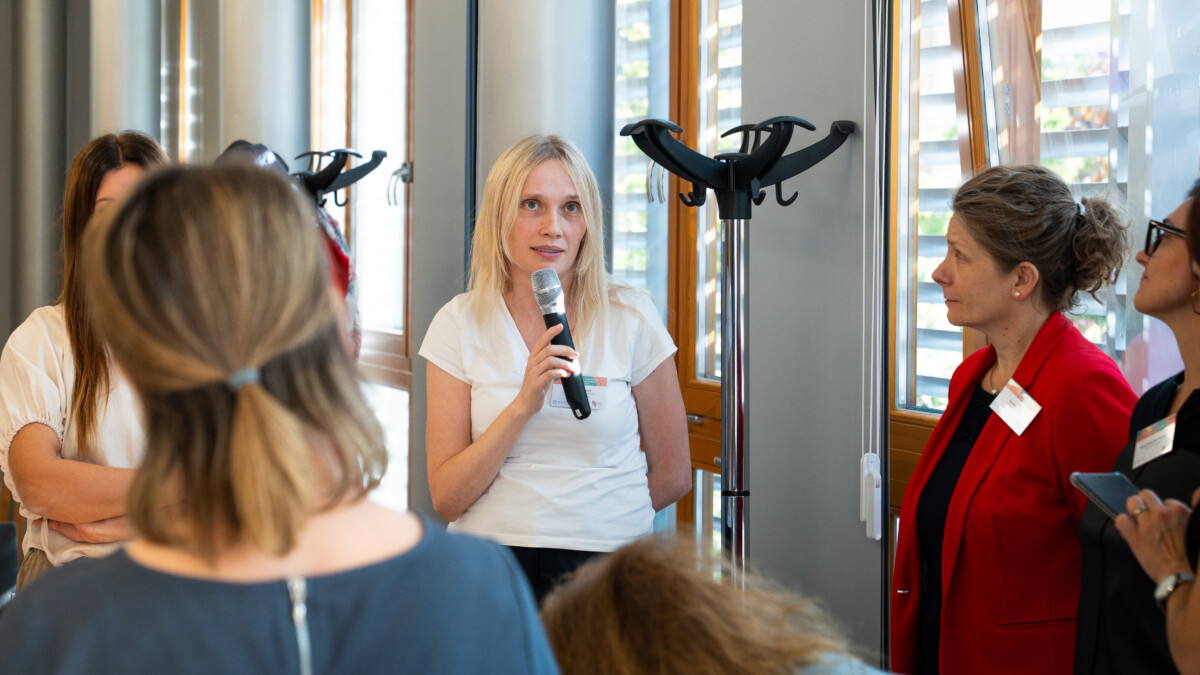
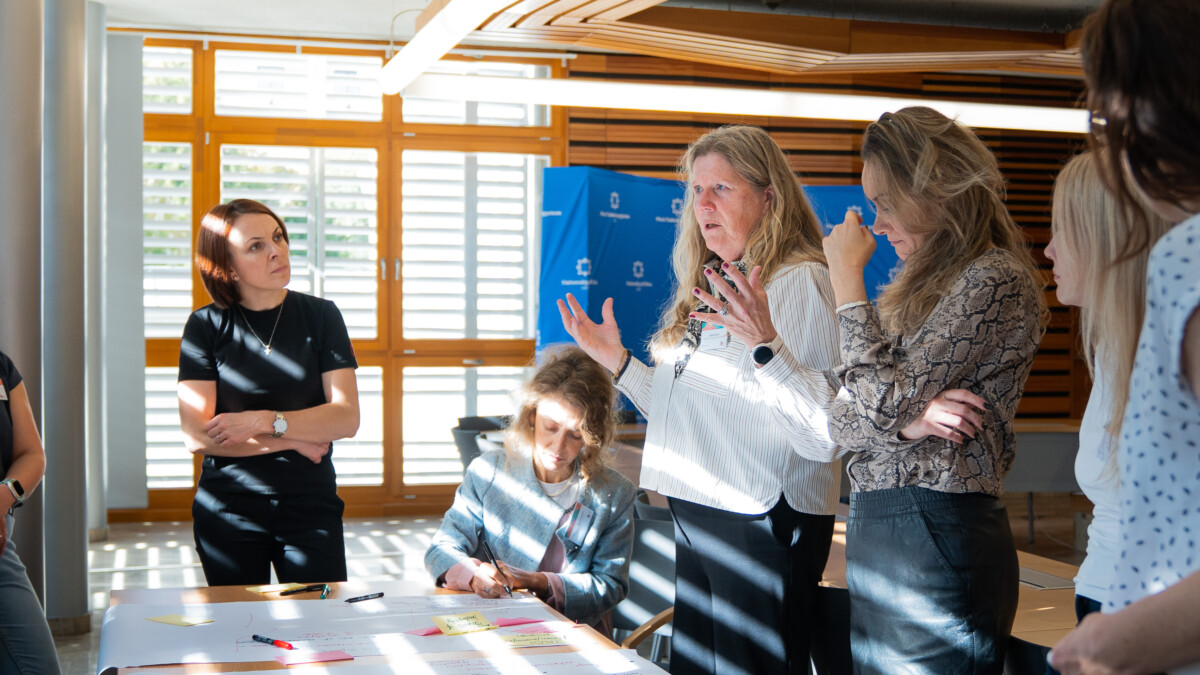
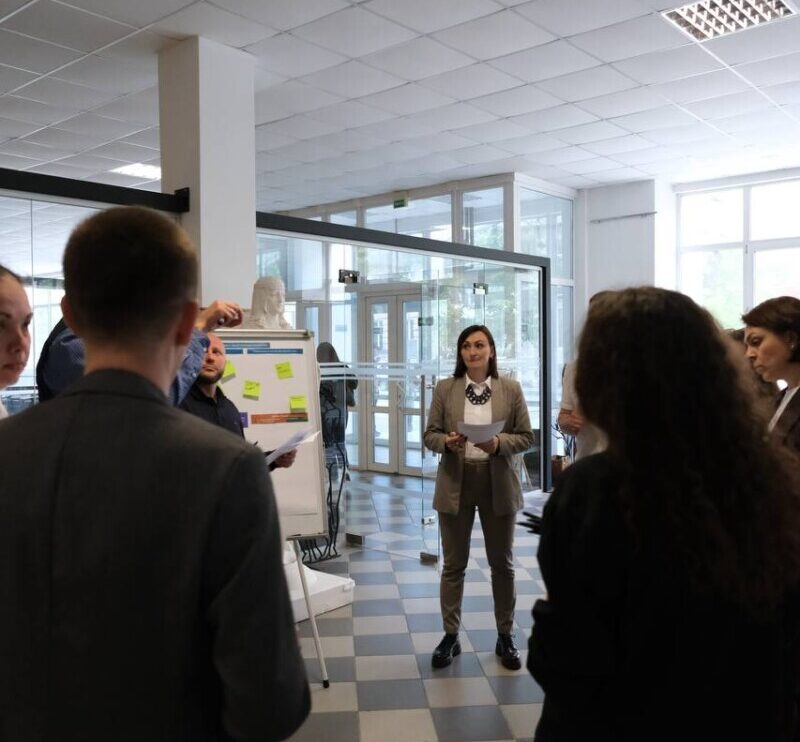
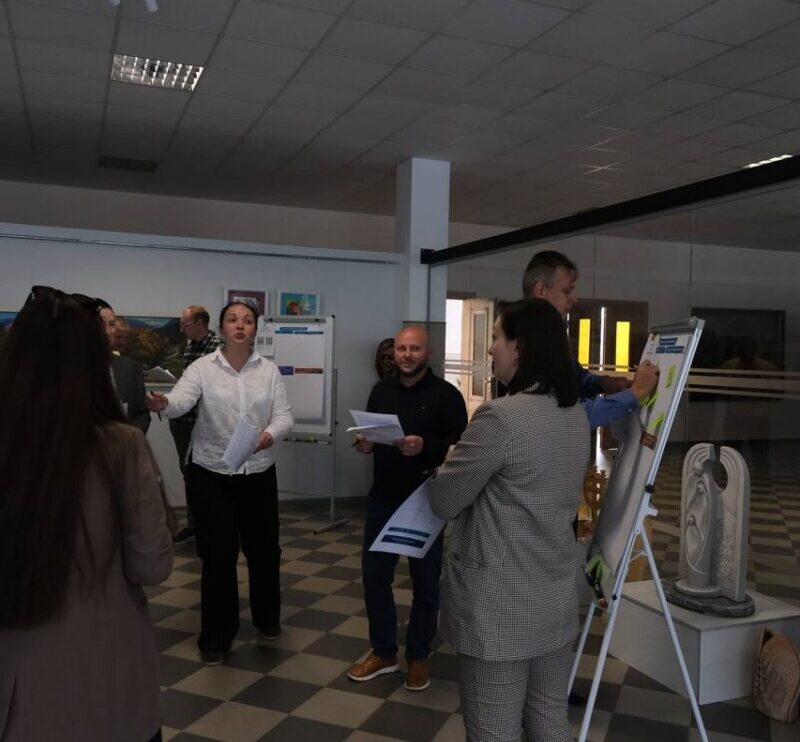
Following the expert lectures, participants engaged in Q&A sessions, lively discussions, and an interactive workshop titled “Redesign the Perfect Evaluation System”, where teams developed their own models of fair university evaluation based on the principles of responsible research assessment.

The event marked an important step in implementing the EDUC Strategy for Reforming Research Assessment and fostering a new academic culture in which research evaluation is based not only on metrics, but also on values such as integrity, inclusiveness, collaboration, and societal impact.

We sincerely thank the speakers, participants, and international partners for inspiring discussions, new ideas, and joint efforts toward shaping the future of research.

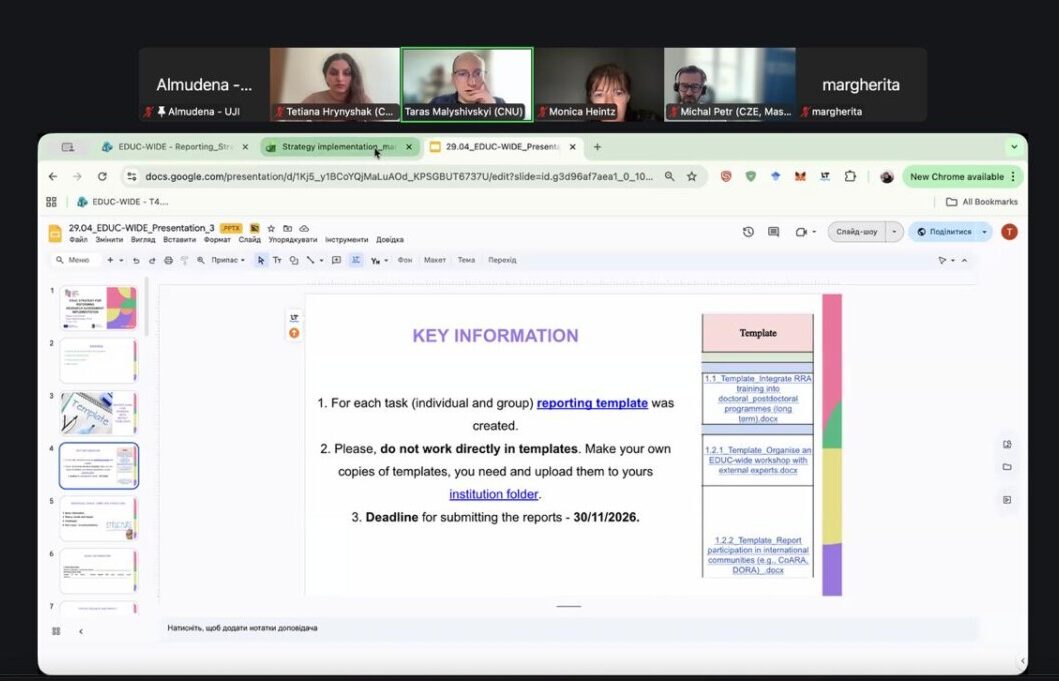
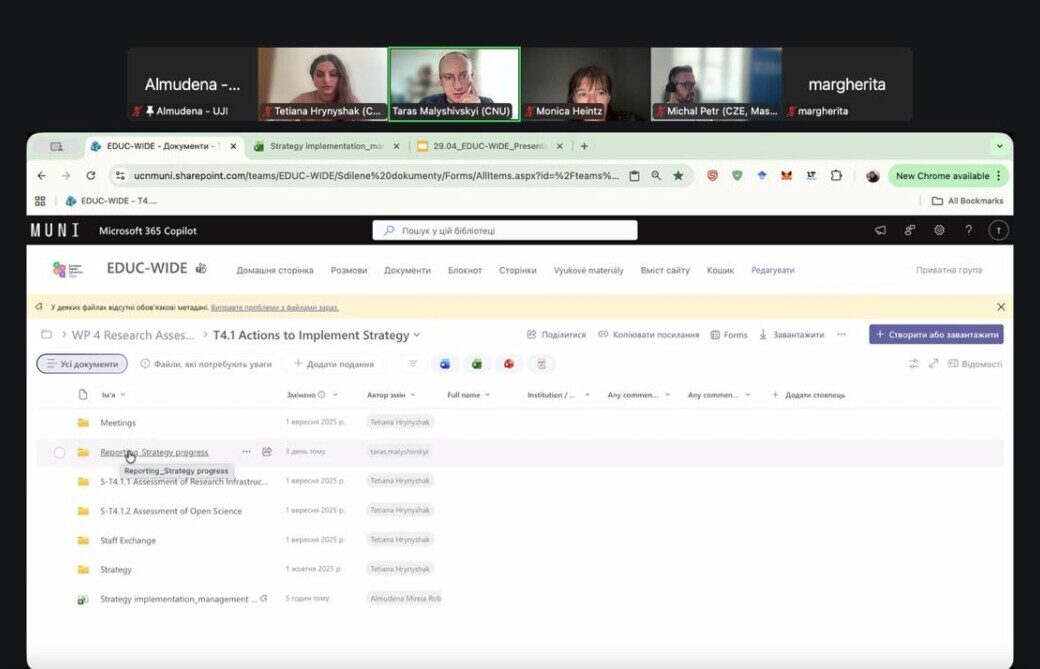
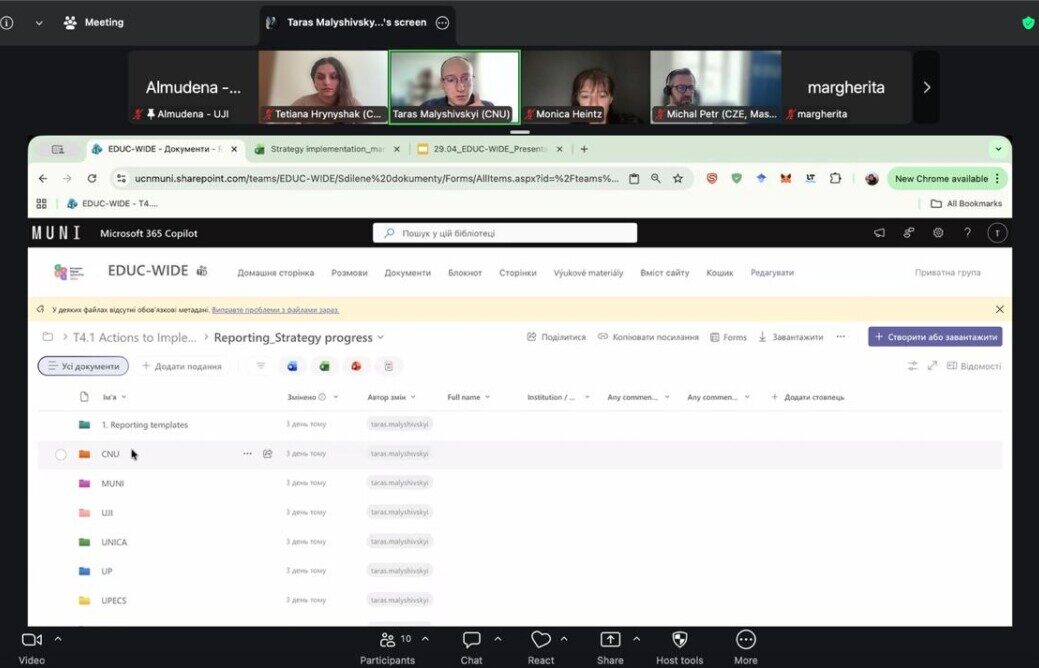
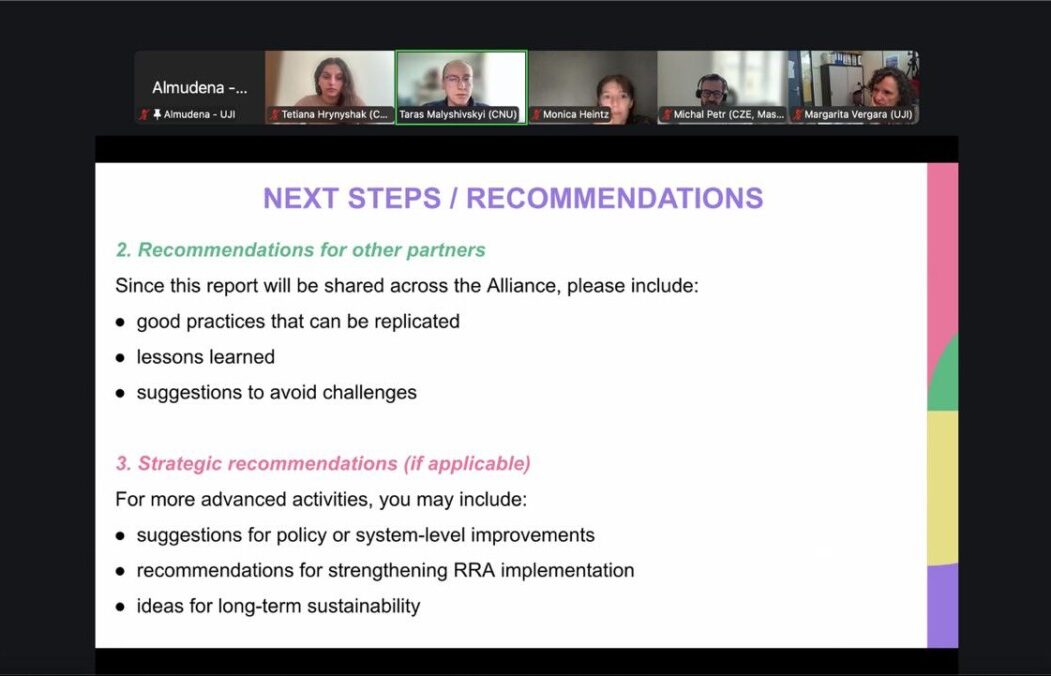
T4.1 Monitoring Meeting: implementing the EDUC Strategy for Reforming Research Assessment

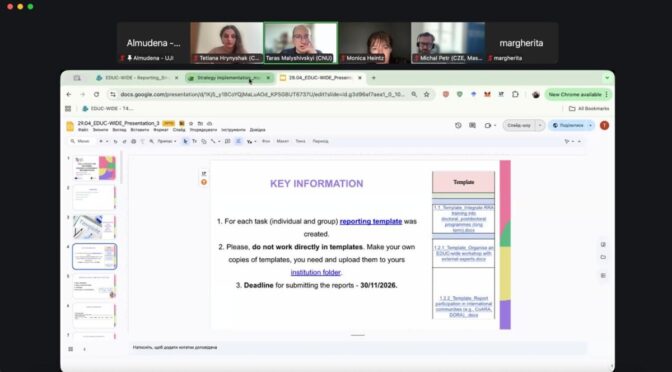
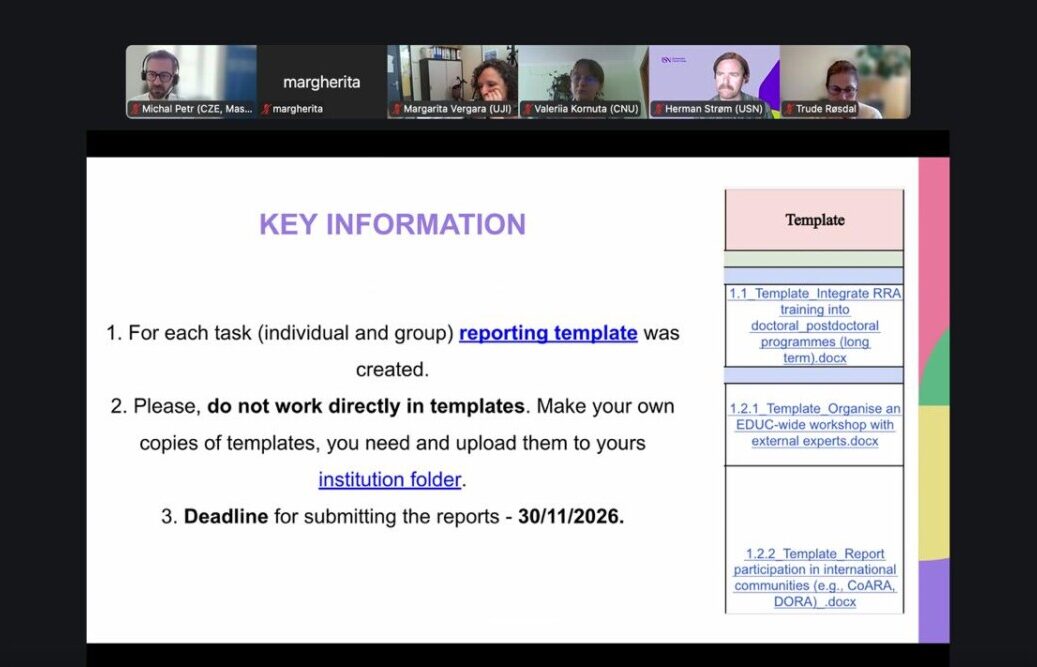
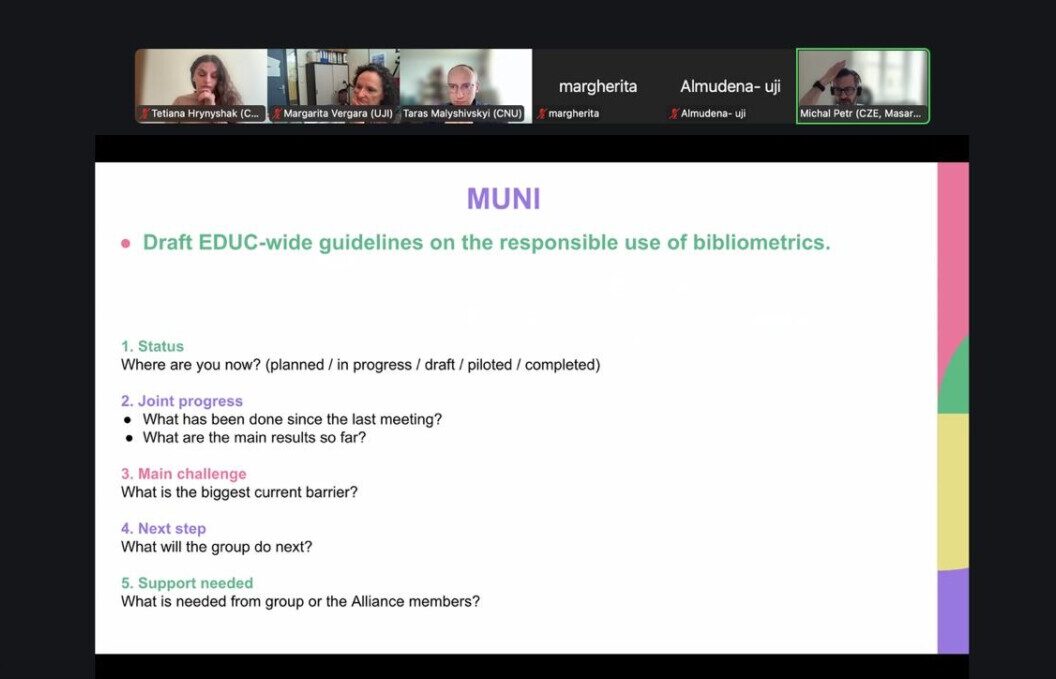
Within the EDUC-WIDE project, partners gathered for the T4.1 Monitoring Meeting to review progress in implementing the EDUC Strategy for Reforming Research Assessment across the alliance.

This task focuses on translating the jointly developed strategy into concrete institutional and systemic changes, including advancing reforms in research assessment in line with the EDUC framework and strengthening collaboration through the Research Assessment Expert Group (RAEG).

During the meeting, partners reviewed progress on both individual and joint tasks, focusing on:
integration of RRA principles into institutional practices;
development of policies and tools supporting responsible and fair research evaluation;
coordination of upcoming activities, including expert meetings and deliverables.

The discussion also highlighted the importance of continued alignment across institutions, ensuring that reforms are not only implemented locally but contribute to broader European and national policy developments.

Join a scientific event on the future of research and evaluation systems

On May 15, the Carpathian National University named after Vasyl Stefanyk will host an international scientific event dedicated to rethinking approaches to research evaluation.

The event will bring together researchers, academic leaders, and international experts to discuss key challenges in modern science — from researchers’ well-being to the impact of artificial intelligence on evaluation systems.

The focus of the event includes three key directions.

Key speakers:

  • Ester Cois — lecture on researchers’ well-being and fair evaluation
  • Luciano Colombo — on the role of artificial intelligence in the future of research evaluation

The program features expert lectures and discussions, Q&A sessions, an interactive workshop “Redesign the Perfect Evaluation System”, networking, and exchange of experience.

We aim to bring together lecturers, researchers, and early-career scientists to discuss what the academic system of the future should look like — more human-centered, balanced, and innovative.

📍 Format: hybrid (offline + online)
👥 Target audience: researchers, lecturers, PhD students, and everyone involved in academia
💬 Languages: English / Ukrainian

Registration form: https://forms.gle/wgF3XXWU2BWYU3ZT7

University lecturers successfully completed an international internship at the University of Jaume I (Spain)


Associate Professors Iryna Matiash-Hnedyuk and Tetiana Hulyak of the Department of English Philology successfully completed an international internship at the University of Jaume I (Spain), which took place from March 2 to 29 as part of the EDUC-WIDE project (Expanding EDUC Opportunities for Inclusive ERA Development).

Iryna Matiash-Hnedyuk implemented the program “English Accents in the Spanish Classroom: Attitudes, Acquisition, and Academic Practices,” dedicated to issues of the perception of English accents in a Spanish-speaking educational environment, the specifics of their acquisition, and academic practices in English language teaching.

Tetyana Hulyak’s program, “Multimodal Approaches to SLA: From Usage-Based Theory to Digital Learning Environments,” is aimed at researching the impact of multimodal language input and digital technologies on second language acquisition processes.

The program mentors were leading scholars from the Department of English at Jaume I University: Professor Richard Nightingale and Professor Laura Portolés Falomir.

Interacting with Spanish colleagues, including Gema Gayete Dominguez, Maria Reyes Sayas Cano, Nerea Peraire Queral, and Andreea Izabela Gorgoteanu, helped them immerse themselves in the university ecosystem and try job shadowing.

As part of the internship, our university’s faculty members delivered lectures and seminars for students, familiarized themselves with the organization of the educational process and teaching practices at Jaume I University, and collected empirical data for future research.

International academic mobility is an integral part of the development of a higher education institution and contributes to the implementation of innovative methods in the educational process and the deepening of academic partnerships.

Board of Rectors meeting

On February 14-16, Valentyna Yakubiv and Volodymyra Boichuk took a trip to University of Potsdam within the framework of EDUC activities. University of Potsdam held a session of EDUC Council of Rectors, which agreed on multiple strategic decisions that will affect alliance’s development trajectory for the next decade.

REFINE: Rebuilding futures: Empowering educators and students through cross-border collaboration and invention pedagogy (EDUC-WIDE SEED PROJECTS – 2024)

During January 26-30, 2026, the teachers and researchers of the Department of Theory and Methods of Preschool and Special Education of the Vasyl Stefanyk Carpathian National University, Marianna Matishak and Iryna Skomorovska, underwent training at the University of South-Eastern Norway on the content of the project “Rebuilding futures: Empowering educators and students through cross-border collaboration and invention pedagogy (REFINE)” within the framework of the EDUC-WIDE SEED PROJECTS – 2024.

The training program provided for familiarizing the project participants with the university campus, creative workshops and the DigTekLab digital technology laboratory, as well as enriching their experience in interdisciplinary learning in the context of the STEAM approach and invention pedagogy (creativity, cooperation, practical creative activity). Colleagues from the University of South-Eastern Norway Larysa Dahl Kolesnyk, Camilla Groth and Nazanin Garmsiri presented the possibilities of using digital tools to implement invention pedagogy through maker activities in educational settings. Camilla Groth introduced the researchers to the features of the concept of “worldmaking”, the key provisions of invention pedagogy, and presented the methodology for implementing these in the process of professional training of future teachers. During the workshop, Marianna Matishak and Iryna Skomorovska, with the support of Norwegian colleagues, created their own “maker” project (didactic board game “Didital Detox Game”) using digital tools and technologies available in the laboratory. The results of their creative work were presented during a seminar meeting with USN colleagues from the research group of Human rights and Democracy, situated at the city of Drammen.
During this educational visit, teachers and researchers from the Vasyl Stefanyk Carpathian National University got acquainted with the features of organizing a maker space in a Norwegian school, and also visited the Notodden public library, which is an important cultural center, a space for communication and creative development of the city community. The project participants had the opportunity to share reflections, discuss the work plan and subsequent activities that will be implemented at the Vasyl Stefanyk Carpathian National University.

EDUC Staff E-tandem Language Programme

Want to improve your language skills without having to travel?
What if your next language course could also help you develop intercultural competence, international professional contacts and career skills?

Introducing the EDUC E-tandem Language Programme
The EDUC E-tandem Language Programme is a tool for developing language skills and intercultural competences. The programme brings together two administrative staff from different EDUC universities to practice the language of their choice, improving their intercultural communication skills in a friendly and professional atmosphere.

How the programme works: you are paired with a colleague from another EDUC university; you practice your chosen foreign language; learning takes place through live communication, not classroom lessons; intercultural communication skills are developed at the same time.

Why join?

improve your foreign language for everyday professional activities; increased confidence in working in a multicultural environment; preparation for staff mobility, internships and international cooperation; support for long-term professional and career development.

Program details

online meetings in tandem format (March – October 2026); minimum 12 hours of participation (including 3 hours of work with a tutor); flexible, friendly and professionally supported format.

Who can apply?

administrative staff of EDUC partner universities (members of the administration, employees of the project management department, scientific library, research department, teaching and methodological department, human resources department, press service);

English level A2–B1 (for communication with tutors)(you can also choose higher levels (B2-C1); you can choose not only English, but also another European language for practice);

motivation and compatibility of participants are important.

Limited places

Up to 8 participants per university (+ waiting list)

Application deadline: February 13, 2026
You can apply via the application form:

https://nettskjema.no/a/576512#/page/1

Partner universities within the EDUC alliance:

University of Paris-Nanterre

University of Rennes

University of Pécs

University of Jaume I

University of Cagliari

Masaryk University

University of Potsdam

University of South-East Norway

PARTICIPATION IS FREE!